Results are In from SuDS+ Inspired BioBlitz
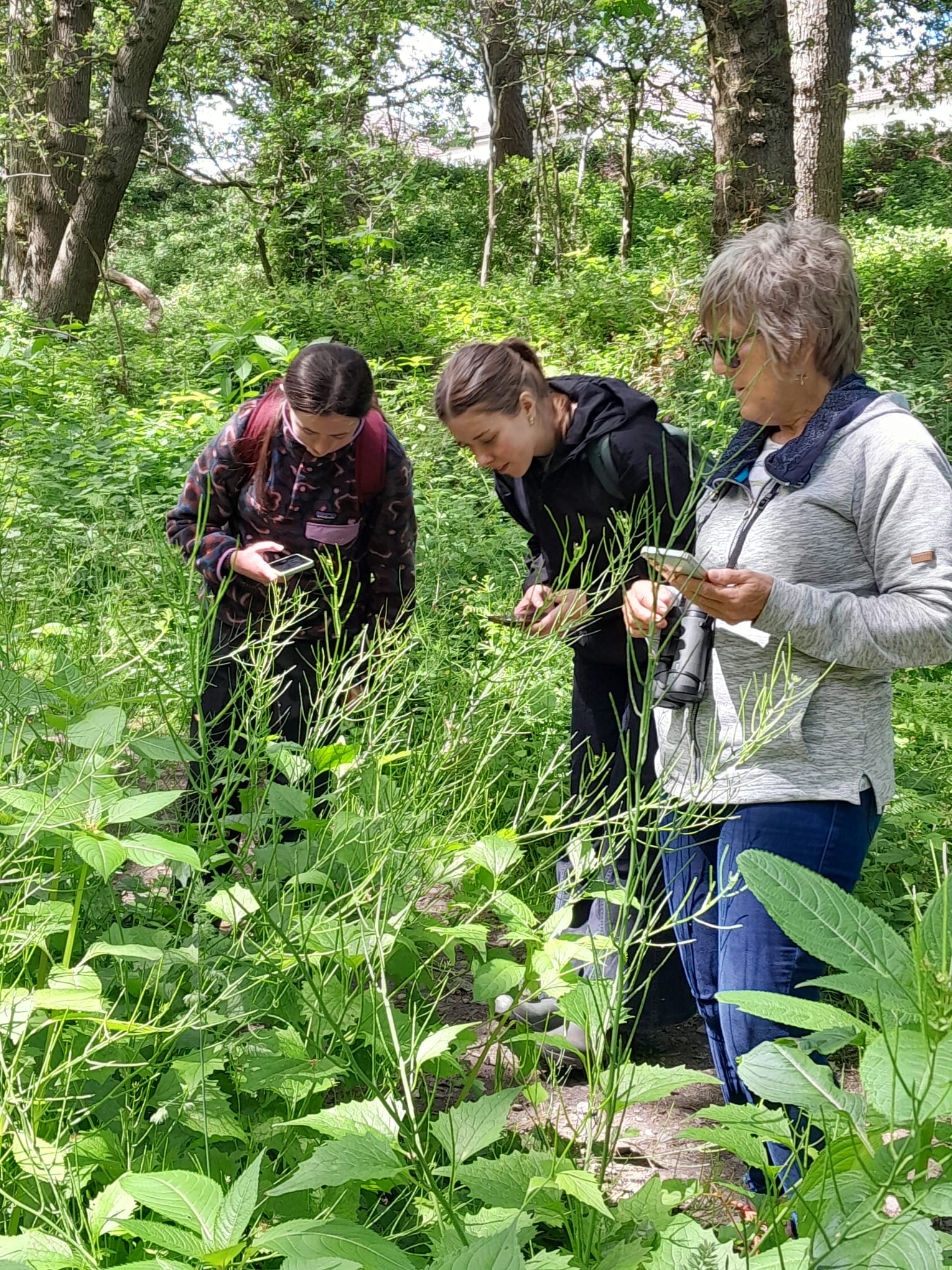
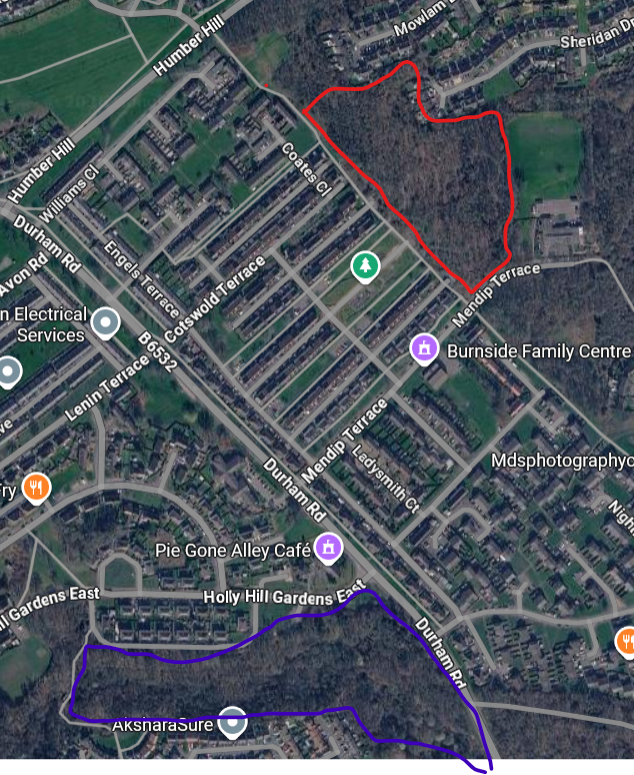
On June 8th a group of staff, volunteers and students spent time exploring two local woodlands and noting the different plants, animals and insects they could find. This technique is a citizen science approach to surveying with allows non experts to be involved and also has a cool name. Our BioBlitz took place on two contrasting sites, one a mixed plantation from around 35 years ago Burnside Wood (boundary in red) and a second an ancient woodland South Stanley Woods (boundary in blue) .
How Does A BioBlitz Work?
A group of people known as Observers meet at the site and record their findings which are collected in a central depository. In this case we used iNaturalist where records can be confirmed, queried or rejected by other members of the iNaturalist community known as Identifiers. We were lucky to have staff and volunteers with specific interests including mosses, grasses and birds. Further BioBlitz sessions could be organised in other parts of the study area or again at the same sites. In addition to the data collected everyone had fun and learned more about nature.

Why Did We choose These Sites?
These two locations were chosen for the BioBlitz because they are among the 12 shortlisted sites that local residents identified as priorities for improvement. Burnside Woods also forms part of our SuDS+ construction programme, which has delivered a range of enhancements for people, wildlife and flood risk reduction, including the newly created woodland walk linking Cheviot Terrace and Cleveland Terrace. A limited BioBlitz also took place on the site at Cleveland Terrace.
Burnside Wood
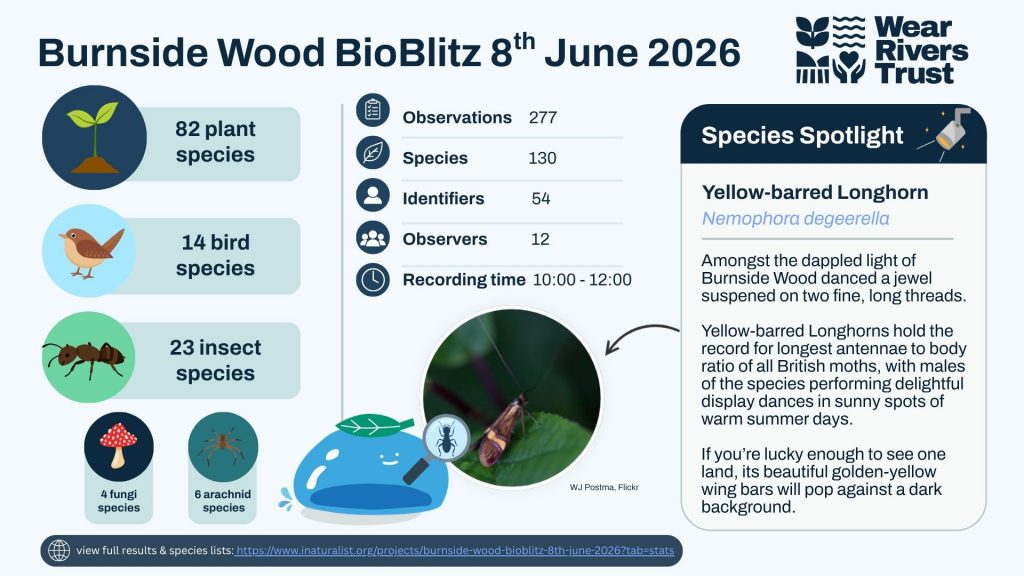
Burnside Wood BioBlitz results and species
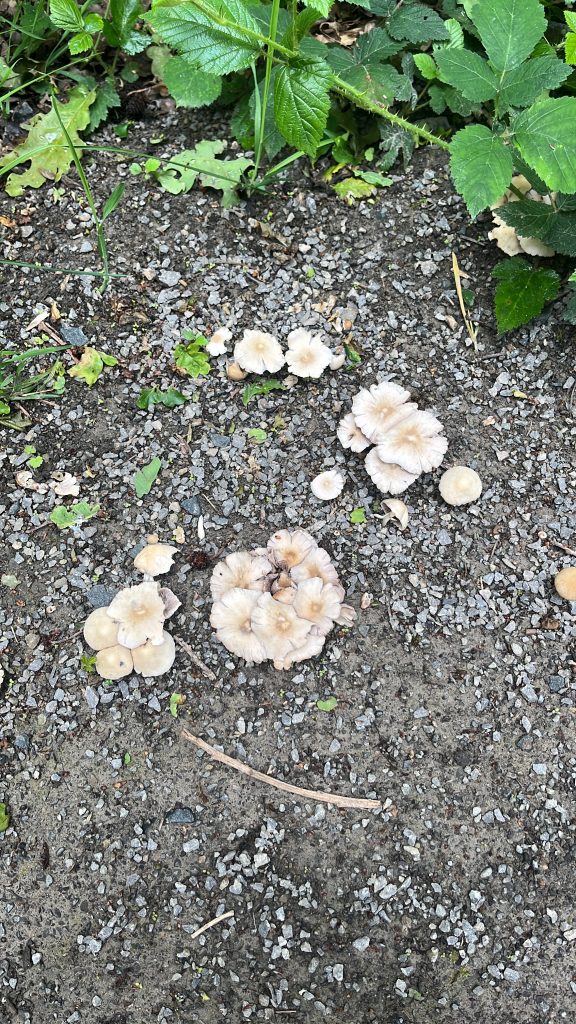
South Stanley Woods
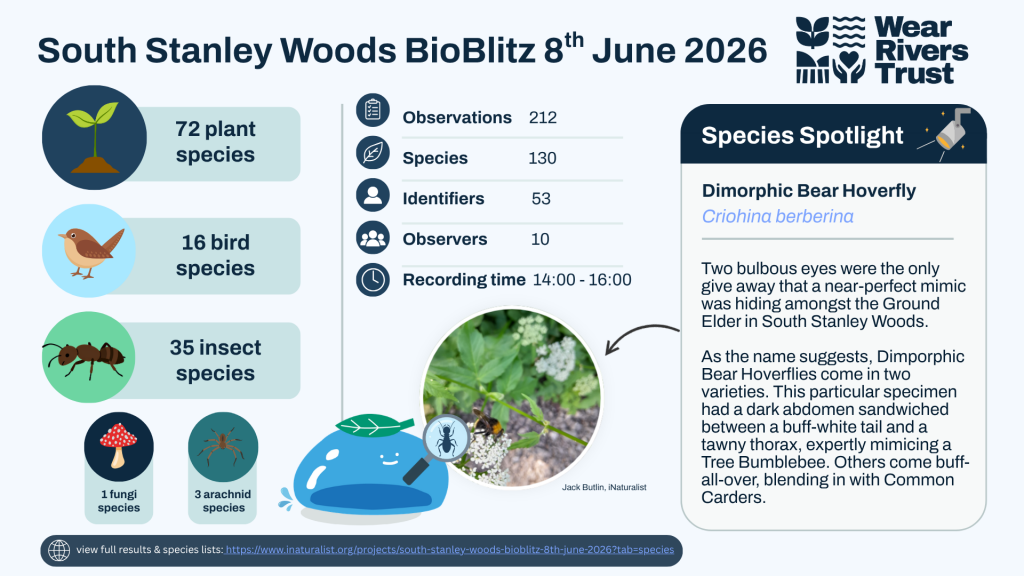
South Stanley Woods BioBlitz results and species